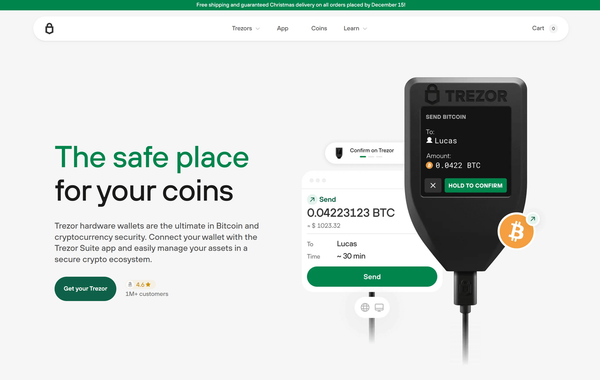
Secure and Easy Access: A Complete Guide to Trezor Wallet Login
In the ever-evolving world of cryptocurrency, securing your digital assets has never been more important. Hardware wallets, like Trezor, offer unmatched security, combining offline storage with intuitive access. Logging into your Trezor Wallet is the first step to managing your crypto safely, and understanding the process ensures both convenience and security. In this guide, we’ll walk you through everything you need to know about Trezor Wallet login, its features, and tips to maximize your safety.
What is Trezor Wallet?
Trezor Wallet is a leading hardware wallet developed by SatoshiLabs. Unlike software wallets that store private keys online, Trezor keeps them offline, making it virtually immune to hacks. Users can manage multiple cryptocurrencies, including Bitcoin, Ethereum, and numerous altcoins, all through a single device connected to Trezor Suite—a desktop and mobile application.
The Trezor Wallet login process ensures that only authorized users can access their crypto, combining device-level authentication with a secure PIN system and recovery phrase.
How to Log In to Your Trezor Wallet
Logging into Trezor Wallet is designed to be simple yet highly secure. Here’s a step-by-step guide:
Step 1: Connect Your Trezor Device
Start by connecting your Trezor hardware wallet to your computer or mobile device using the supplied USB cable. For mobile devices, Trezor supports compatible OTG adapters or Bluetooth connections (depending on your device version).
Step 2: Open Trezor Suite
Download and install the Trezor Suite from the official Trezor website (trezor.io/start
). Once installed, open the application. Trezor Suite acts as the interface between your hardware wallet and your cryptocurrencies, allowing you to manage accounts, send and receive funds, and monitor transactions.
Step 3: Enter Your PIN
Every Trezor device is protected by a PIN code. When prompted, enter your PIN directly on the Trezor device. This method ensures that even if your computer is compromised by malware, your PIN remains secure. Avoid entering the PIN on your computer screen—always use the device buttons.
Step 4: Confirm Your Device
Trezor Suite will ask you to confirm the connected device. Verify the device serial number and model on both the screen and the application to ensure you’re interacting with your authentic wallet. This step prevents phishing attacks and fake wallet scams.
Step 5: Access Your Wallet
Once your device is confirmed and your PIN is entered, your Trezor Wallet is unlocked. You can now view balances, transaction history, and portfolio details. Trezor Suite also allows you to manage multiple accounts and cryptocurrencies conveniently.
Security Features of Trezor Wallet Login
The Trezor Wallet login process incorporates multiple layers of security:
- PIN Protection: Every Trezor device requires a PIN for access. This ensures that even if your device is stolen, unauthorized users cannot access your funds.
- Passphrase Option: Users can add an optional passphrase to create an extra layer of security. This makes your wallet nearly impossible to access without the correct combination of PIN and passphrase.
- Recovery Seed: During initial setup, Trezor generates a 12- to 24-word recovery seed. This acts as a backup in case your device is lost or damaged. Always store your recovery phrase offline and never share it digitally.
- Offline Key Storage: By keeping private keys offline, Trezor eliminates the risk of online attacks or malware infections on your computer or mobile device.
Tips for a Smooth Trezor Login
To ensure a seamless experience with Trezor Wallet login, follow these best practices:
- Keep Software Updated: Regularly update Trezor Suite and your device firmware to benefit from the latest security patches and features.
- Use Official Sources: Only download Trezor Suite from trezor.io
- to avoid phishing scams.
- Secure Your Recovery Seed: Store it in a safe and separate location from your Trezor device. Consider using a fireproof safe or metal backup for extra protection.
- Enable Two-Factor Authentication: For exchanges or additional online wallets linked to Trezor, enable 2FA to strengthen account security.
- Be Mindful of Public Wi-Fi: Avoid logging in to your wallet over public networks, as this can expose your connection to potential hackers.
Common Login Issues and Solutions
Even though Trezor is user-friendly, some users may encounter login problems. Common issues include:
- Device Not Recognized: Ensure the USB cable is properly connected and try a different port. Restarting Trezor Suite can also help.
- Forgotten PIN: Use your recovery seed to reset the device and create a new PIN. Remember, losing both PIN and recovery seed can result in permanent loss of access.
- Firmware Updates Required: Some wallets require the latest firmware version to unlock all features. Always follow official instructions during updates.
Conclusion
Logging into your Trezor Wallet is more than just accessing your cryptocurrencies—it’s about securing your digital future. By following the official steps and maintaining proper security practices, you ensure that your crypto assets remain protected against hacks, theft, and accidental loss. Trezor’s combination of hardware-level security, PIN protection, and offline key storage makes it one of the safest choices for crypto enthusiasts and investors alike.
For more detailed guidance on Trezor Wallet setup and login, visit Trezor.io/start
and explore official tutorials. With the right precautions, accessing your crypto has never been safer or simpler.